


A bioenergy specialist is promoting the production of wood-based fuels and biochemicals as the “future for New Zealand”as business owners draw up producing centers in Bay of Plenty.
Financiers have their hats in hand to construct a brand-new $50 million bio-manufacturing center in Rotorua with goals of turning woody biomass into high-value items like biochemicals, components or biofuel near the Kaingaroa Forest Estate, the nation’s biggest forestry plantation.
The proposed biofactory would use raw biomass from forestry, farming, gardening and aquaculture markets into value-add items, and would be an industrial testing room for business of all sizes.
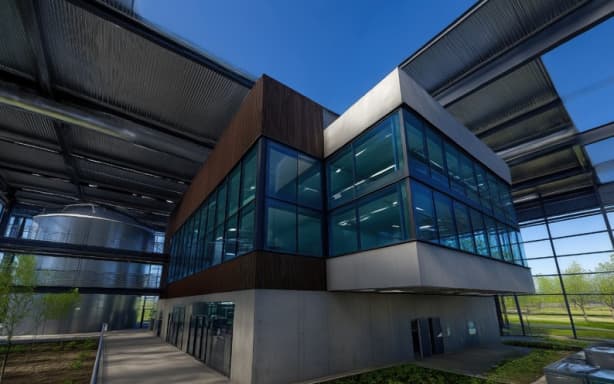
Rendered picture of the biofactory center being tipped for Rotorua.
SUPPLIED/The BioFactory
Today, Rotorua MP and Forestry Minister Todd McClay dedicated to matching market’s$15m in capital expense with financing from the Ministry for Primary Industries (MPI). The job would need a personal property designer with$20m in backing to money the develop.
In the week prior, the Energy Efficiency and Conservation Authority revealed $3.7 m in financing for 5 forestry waste collection tasks near industrial operations.
In a different job, work to develop a biorefinery at Kaingaroa Forest Estate was likewise underway. Regional company with Singaporean support NZ Bio Forestry and Te Rūnanga o Ngāti Manawa were still in the technical exploratory phase for the biorefinery, with iwi speaking with the Kaingaroa town neighborhood on it.
Recycling forestry waste into worth
The Bioenergy Association’s executive officer Brian Cox stated New Zealand had an abundance of forestry biomass that was under-utilised, specifically in energy generation.
“We work with farmers, forestry business communities who’ve got access to wood and biomass and organic waste to extract value, for energy in our case.
“Those products are likewise terrific for drawing out biochemicals and other bioplastics etcetera, which are going to be the future for New Zealand.”
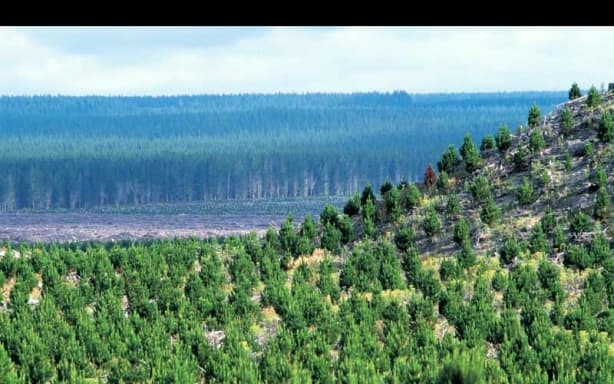
Kaingaroa forest
Cox stated about 20 percent of a business tree was disposed of at present, such as being left in the forest or sawdust from the mills.
“We’re improving and much better at packaging that up and recycling it into important items.”
“We can make it into a fuel for energy … We can likewise make from those residues other chemicals and those are the important things that we’re beginning to do.”
Cox said the move to biomass energy was still emerging in parts of the North Island that had relied heavily on gas, which was in short supply, and expensive electricity. He said bio-processing projects around Kaingaroa would have scale and sensible locations being near the forest.
Kaingaroa forest manager harnessing new opportunities
Foundational investor, Kaingaroa Tipu (formerly Timberlands) managed around 230,000 hectares of the Kaingaroa Forest Estate, that was returned to tangata whenua in 2009, where it produced four million logs each year.
Chief executive Ryan Cavanagh said a biofactory would unlock the value from wood, and reduce the concentration risk for forestry, which relied on logs for construction, residue markets like pulp and bark, and utility logs to China.
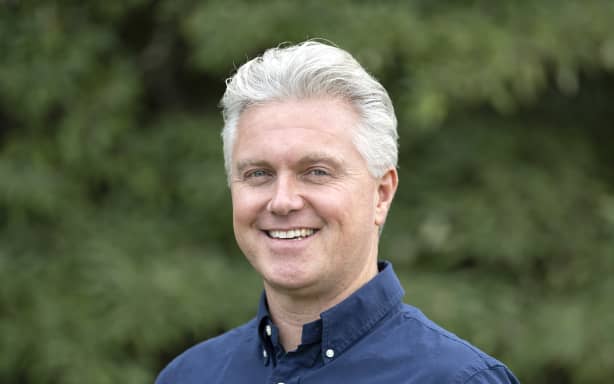
Ryan Cavanagh, president of Kaingaroa Tipu, that handles the logging operation at New Zealand’s biggest forestry estate.
SUPPLIED/Kaingaroa Tipu
“Ourselves and lots of other forestry business within New Zealand offer broadly into 3 markets. For the last 5 years we’ve been believing as a service difficult about the future and what that requires. We still require to try to find brand-new markets for the future, thus why the biofactory and the bioeconomy is so appealing.”
Cavanagh said there was huge opportunity in emerging sectors, away from typical forestry commodities like logs. He said it was important to think about the customers of tomorrow and trying to leverage the forest’s scale.
“If a brand-new chance is available in New Zealand and, for example, we wish to construct a biofactory to make a chemical or to make a scent or to produce an energy pellet, we ‘d rather that’s done either in our forest or extremely near our forest. We’re looking at all of those chances there to develop worth for the future.”
The biofactory was prepared to host business of all sizes, enabling them to check and scale their items and concepts while utilizing plentiful feedstock volumes readily available there. The BioFactory idea was led by the NZ Product Accelerator with assistance from the Bioeconomy Science Institute, Sequal and MPI. Comparable government-backed biofactory designs might be discovered in Canada, Belgium, Germany and the United Kingdom.
The center is anticipated to be developed next year, integrated in 2028 and functional from 2029.
Discover more from PMN S.P.O.R.T.S - A PRIME MEDIA NETWORK BRAND
Subscribe to get the latest posts sent to your email.



